February 16, 2026
A roof is much more than a decorative element of a home—it serves as the first line of defense against weather, pests, and structural damage. Homeowners often underestimate the importance of regular maintenance, only noticing issues once costly repairs are needed. From leaks and damaged shingles to poor ventilation and clogged gutters, a variety of problems can compromise a roof's performance. Understanding these challenges and knowing how to prevent them is essential to extending the life of your roof and protecting your home. In many cases, timely inspections and proactive measures can save homeowners thousands of dollars in repairs while maintaining comfort and safety throughout the house.
1. Leaks and Moisture
Leaks and moisture are among the most common and damaging issues a roof can face. They often develop when shingles become cracked, missing, or worn, allowing water to penetrate the underlying layers of the roof. Moisture can also enter through poorly sealed chimneys, vents, and skylights, leading to water stains on ceilings, mold growth in attics, and structural deterioration. Early detection is crucial—waiting too long can result in extensive damage that affects walls, insulation, and even the foundation of the home.
Homeowners should regularly inspect their roofs, particularly after storms or heavy rainfall, looking for signs such as water stains, sagging ceilings, bubbling paint, or a musty odor in the attic. Addressing these issues promptly minimizes long-term damage and preserves the integrity of the home. Preventive measures include proper attic insulation and ventilation to reduce condensation beneath the roof, as well as installing high-quality waterproof underlayment to act as a secondary barrier against moisture intrusion.
Hiring a professional roofing contractor for routine inspections can ensure that potential leaks are identified early. According to IBIS World, the U.S. roofing contractors industry was projected to reach $99.8 billion in revenue by the end of 2025, emphasizing the value of professional expertise in maintaining safe and durable roofs. By combining knowledge, preventive maintenance, and expert services, homeowners can significantly reduce the risks associated with moisture and water damage.
2. Poorly Installed Flashing
Flashing is a critical component of roofing that directs water away from vulnerable areas such as chimneys, roof valleys, and skylights. Improper installation or the use of substandard materials can result in leaks and water penetration. Flashing that becomes warped, cracked, or displaced over time allows water to enter the roof system, potentially causing structural damage and expensive repairs.
Common mistakes in flashing installation include using incorrect materials, failing to seal joints properly, or not securing the flashing adequately with nails or fasteners. These oversights can create gaps that allow water to seep into the roof and compromise its integrity. A certified roofing contractor has the knowledge and experience to install flashing correctly, ensuring that water is directed safely away from your home.
Signs of flashing problems include water stains on interior walls and ceilings, rusted or cracked metal, and sections of flashing that appear missing or damaged. Regular inspections by homeowners or professionals, particularly after severe weather, can identify these problems early. Timely repair or replacement of faulty flashing is essential to prevent leaks and maintain the roof’s protective function.
3. Shingle Damage
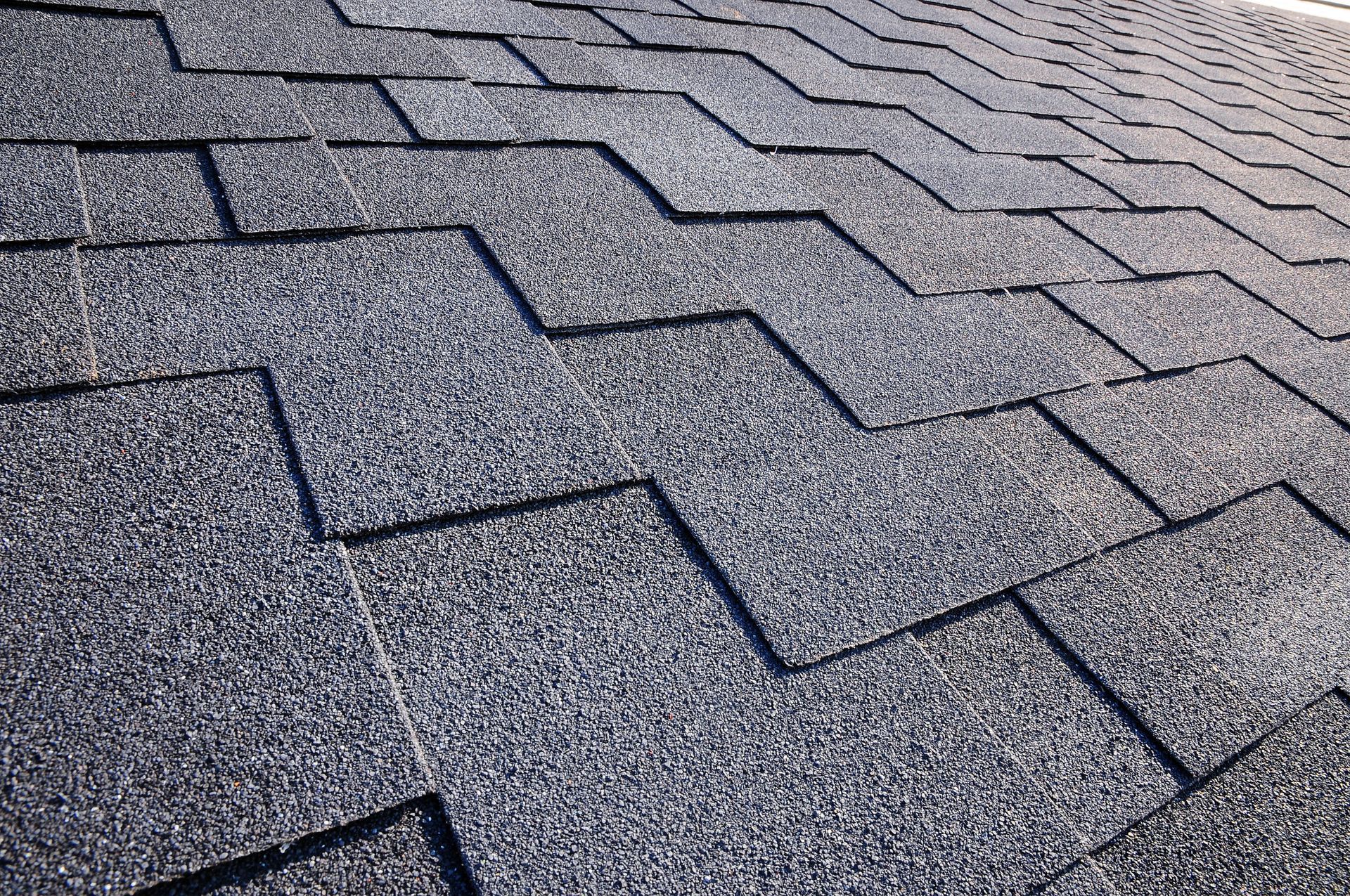
Shingle damage is another widespread roofing issue that can lead to leaks, energy inefficiency, and reduced curb appeal. Shingles may curl, crack, lose granules, or become dislodged due to age, extreme weather, or poor installation. Wind, hail, heavy rain, and prolonged sun exposure all contribute to shingle wear and tear. Even high-quality shingles can suffer from premature deterioration if installed incorrectly or if ventilation is inadequate.
Inspecting shingles regularly allows homeowners to detect early signs of damage. Look for missing shingles, granule loss on the roof surface, curling edges, or shingles that appear brittle or warped. Older roofs naturally exhibit more wear, making timely maintenance and replacement crucial. Proper attic ventilation can reduce heat buildup that accelerates shingle aging, while high-quality roofing materials can better withstand environmental stresses.
Engaging a professional roofing contractor ensures shingle repairs or replacements are done correctly. A contractor can identify weak areas, recommend the best materials, and apply repair techniques that extend roof lifespan. Regular maintenance minimizes the risk of leaks and preserves the structural integrity of your home.
4. Poor Ventilation
Proper roof ventilation is essential for maintaining the home’s energy efficiency, controlling indoor air quality, and preventing moisture buildup that can damage roofing materials. Poor ventilation allows heat to accumulate in attics, causing shingles to warp or deteriorate more quickly. It also fosters mold and mildew growth, which can affect indoor air quality and pose health risks to residents.
Indicators of inadequate ventilation include ice dams in winter, unusually high energy bills, and excessive heat in the attic during summer. Homeowners should regularly check that vents are unobstructed and functioning efficiently. If problems arise, a roofing contractor can recommend solutions such as ridge vents, soffit vents, or attic fans to optimize airflow. By addressing ventilation issues proactively, homeowners prevent damage to shingles, prolong the life of the roof, and maintain a healthier living environment.
5. Tree Damage
Trees can be both beautiful and hazardous for homeowners. Overhanging branches can scrape against roofing materials, causing physical damage over time. Falling leaves, twigs, and debris can clog gutters, resulting in water pooling and leaks. In extreme cases, heavy branches may fall during storms, puncturing shingles or tiles and damaging the roof’s structural components.
Detecting tree-related damage requires regular visual inspections. Look for missing or damaged shingles, cracked tiles, moss, and mold growth near overhanging branches. Homeowners should act quickly to repair any issues, ideally with the assistance of a qualified roofing contractor who can safely handle structural repairs. Prompt attention reduces the risk of more extensive and costly damage over time.
Preventing tree damage involves consistent maintenance, such as pruning overhanging branches and trimming trees that grow too close to the home. Professional arborists can advise on safe pruning techniques that protect both the trees and the roof. Additionally, regular debris removal from gutters and roof surfaces ensures proper drainage and decreases moisture accumulation. Proactive tree management helps extend the lifespan of roofing materials while keeping the property safe.
6. Clogged Gutters
Gutters are essential for directing water away from your home, and clogged gutters can lead to serious roofing problems. When leaves, twigs, and other debris block water flow, it can back up under shingles, causing leaks, water damage, and even foundation issues. Maintaining clean gutters is vital for preserving the integrity of your roof and the structure of your home.
Signs of gutter blockages include water overflowing during rain, sagging or uneven gutters, and visible debris accumulation. Homeowners should inspect their gutters seasonally and remove debris promptly. Installing gutter guards or screens can further minimize clogging and reduce the frequency of maintenance. Regular professional gutter cleaning, particularly in areas prone to heavy foliage, ensures water flows freely, preventing unnecessary roof and structural damage.
Maintaining a roof requires attention, knowledge, and proactive care. Homeowners who understand the most common roofing problems—such as leaks, shingle damage, poor ventilation, tree damage, and clogged gutters—are better prepared to prevent costly issues. Regular inspections, timely repairs, and collaboration with a professional roofing contractor ensure that your roof remains structurally sound, energy-efficient, and weather-resistant. By addressing potential problems early and investing in preventive measures, homeowners can protect their property, extend the lifespan of their roof, and enhance the safety and comfort of their home. In an industry projected to reach $99.8 billion by 2025, investing in the expertise of qualified roofing contractors is not only practical but essential for maintaining a safe, reliable, and long-lasting roof. For more information, contact All For U Roofing & Masonry.