February 11, 2026
Your roof is one of the most critical components of your home, yet it's also one of the most commonly overlooked—until something goes wrong. Because roofing systems are designed to endure years of exposure to sun, wind, rain, and temperature swings, deterioration often happens gradually. Homeowners may not notice the warning signs until damage becomes costly or disruptive. Understanding when your roof needs professional attention can help you protect your property, avoid structural issues, and plan financially before minor problems escalate.
Knowing the difference between a roof that can be repaired and one that should be replaced is especially important. While some issues can be resolved with targeted fixes, others indicate widespread wear or failure. In many cases, consulting experienced roofing contractors early can make the difference between an affordable repair and a full replacement driven by neglect. The sections below outline the most reliable indicators, what they mean, and why professional evaluation is essential.
Recognizing the Age and Expected Lifespan of Your Roof
One of the most reliable indicators of roof condition is its age. Every roofing material has a general lifespan, and once your roof approaches or exceeds that range, problems become more likely—even if they are not yet visible. Asphalt shingles typically last 20 to 30 years, while metal, tile, and slate roofs can last significantly longer when properly maintained. If you don't know when your roof was installed, reviewing home records or asking for a professional inspection can provide clarity.
Age alone does not automatically mean replacement is required, but it should raise awareness. As materials age, they lose flexibility, protective coatings wear down, and fasteners may loosen. Professional roofing contractors can assess whether aging materials are still performing as intended or if they are nearing the point where repairs are no longer cost-effective. This expertise is particularly important because surface-level appearances can be misleading.
Identifying Shingle Damage and Surface Deterioration
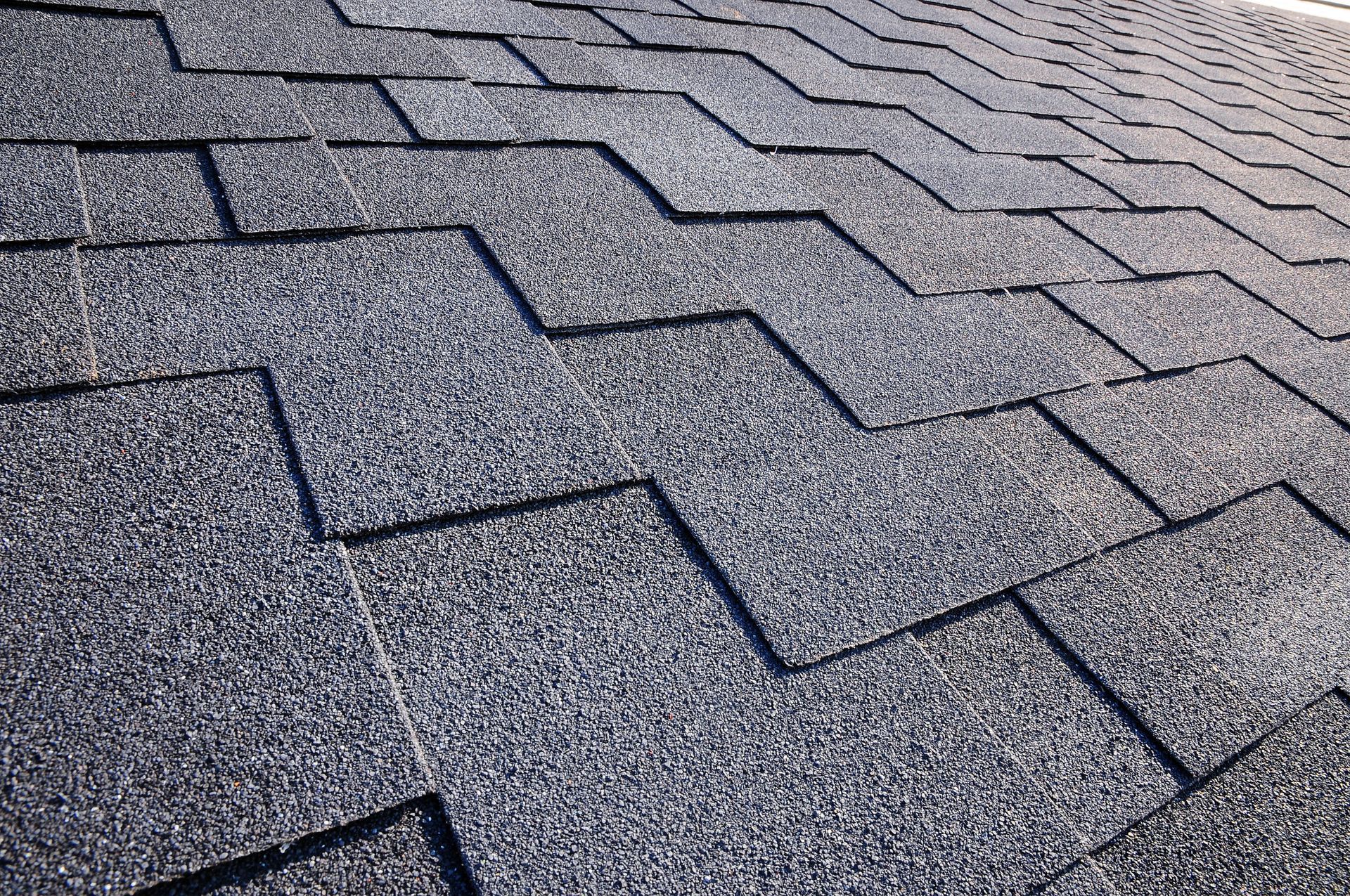
Shingles are your roof's first line of defense, and their condition offers valuable insight into overall performance. Common signs of trouble include curling, cracking, blistering, or missing shingles. Granule loss—often visible in gutters or at downspout exits—is another red flag, as granules protect shingles from UV exposure and moisture infiltration.
While it may be tempting to replace a few shingles yourself, surface damage often points to deeper issues such as improper ventilation, aging underlayment, or storm-related stress. In these cases, working with qualified roofing contractors ensures the root cause is identified and addressed. DIY fixes may temporarily improve appearance but can leave underlying problems unresolved, leading to repeated failures.
Watching for Interior Warning Signs and Water Intrusion
Not all roof problems are visible from the outside. Interior indicators often provide the earliest and most compelling evidence that something is wrong. Water stains on ceilings or walls, peeling paint, warped drywall, or unexplained mold growth can all signal roof leaks. Even small leaks can cause significant damage over time, including insulation saturation and wood rot.
Because water can travel along rafters and framing before becoming visible, pinpointing the source of a leak requires experience and specialized tools. Professional roofing contractors are trained to trace moisture intrusion accurately and determine whether repairs are sufficient or if replacement is the safer long-term option. Attempting to locate leaks without proper training often leads to misdiagnosis and incomplete repairs.
Evaluating Storm Damage and Environmental Stress
Severe weather events place extraordinary stress on roofing systems. High winds can lift or loosen shingles, hail can bruise or crack materials, and heavy rain can exploit existing weaknesses. Even if damage is not immediately obvious, storms can significantly shorten a roof's lifespan.
After major weather events, a professional inspection is strongly recommended. Experienced roofing contractors can identify subtle forms of storm damage that homeowners often miss, such as compromised seals or impact fractures beneath the surface. These issues may not cause immediate leaks but can deteriorate rapidly if ignored. Relying on professional evaluation also supports accurate insurance claims when applicable.
Understanding Sagging, Structural Issues, and Roofline Changes
A sagging roofline is one of the most serious warning signs and should never be ignored. This condition often indicates structural problems such as weakened decking, water-damaged supports, or excessive weight from accumulated moisture or debris. Unlike cosmetic issues, structural concerns typically require more than surface repairs.
Because structural integrity affects the safety of the entire home, this is not an area for experimentation or DIY solutions. Qualified roofing contractors work alongside structural assessments to determine whether reinforcement, partial replacement, or a full roof replacement is necessary. Early intervention can prevent further damage to framing, insulation, and interior spaces.
Comparing Repair Versus Replacement Based on Cost and Scope
One of the most common homeowner questions is whether to repair or replace a roof. The answer depends on several factors, including the extent of damage, the roof's age, and the frequency of past repairs. Isolated damage on a relatively young roof often justifies repair. However, repeated issues or widespread deterioration typically indicate that replacement is the more economical long-term solution.
Industry trends reflect how common these decisions have become. According to This Old House, over the past three years, nearly 31% of homeowners surveyed nationwide have pursued roof renovation, repair, or maintenance projects. This statistic highlights how frequently homeowners face roofing decisions and underscores the value of professional guidance. Consulting experienced roofing contractors allows you to weigh short-term costs against long-term performance and avoid investing in repairs that only delay the inevitable.
Considering Energy Efficiency and Modern Roofing Performance
Beyond visible damage, an aging roof can impact your home's energy efficiency. Poor insulation performance, inadequate ventilation, and outdated materials can contribute to higher heating and cooling costs. If you notice unexplained increases in energy bills, your roof may be part of the problem.
Modern roofing systems are designed with improved materials and ventilation strategies that enhance comfort and efficiency. While repairs may address immediate concerns, replacement can provide measurable long-term benefits. Professionals can evaluate whether your current system meets modern performance standards and recommend solutions aligned with your home's needs and climate.
Knowing When Preventive Maintenance Is the Smartest Move
Not every roofing concern requires immediate repair or replacement, but that does not mean it should be ignored. Preventive maintenance plays a critical role in extending roof lifespan and reducing long-term costs. Routine inspections can uncover minor issues—such as small flashing gaps, sealant wear, or early material fatigue—before they develop into structural damage or leaks.
While homeowners may spot obvious debris or clogged gutters, professional evaluations provide a far more comprehensive assessment. Trained experts understand where roofing systems typically fail and how to correct vulnerabilities proactively, helping homeowners avoid emergency repairs and preserve overall roof performance.
Knowing when your roof needs repair or replacement requires careful observation, honest assessment, and professional input. While some issues can be resolved with targeted repairs, others signal deeper problems that compromise safety, efficiency, and long-term value. Ignoring warning signs or relying on temporary DIY fixes often leads to higher costs and more extensive damage down the line.
If you suspect your roof may need attention, the best next step is to work with experienced professionals who can provide a clear, objective evaluation. When you're ready to protect your home with expert guidance and dependable workmanship, we invite you to contact All For U Roofing & Masonry to schedule a professional inspection and take the first step toward a safer, more reliable roof.